
Quick Facts
- Height
- 634 metres (world's tallest tower)
- Opening Date
- 22 May 2012
- Address
- 1-1-2 Oshiage, Sumida-ku, Tokyo 131-0045
- Hours
- 10:00–22:00 daily (last entry 21:00)
- Tembo Deck + Galleria Ticket
- ¥3,100–¥3,400 weekday / ¥3,400–¥3,900 weekend
- Tembo Deck Only
- ¥2,100–¥2,400 weekday / ¥2,300–¥2,700 weekend
- Nearest Station
- Tokyo Skytree Station (Tobu) / Oshiage Station (Metro Hanzomon, Toei Asakusa, Keisei)
- Walk from Asakusa
- 15–20 minutes via Sumida River
- Official Site
- www.tokyo-skytree.jp
- eSIMno Networks
- KDDI
About Tokyo Skytree
Tokyo Skytree rises from the Oshiage district of Sumida ward as the tallest tower on Earth — a 634-metre broadcasting and observation structure that fundamentally changed eastern Tokyo's skyline when it opened on 22 May 2012. The tower took roughly four years to construct, with ground-breaking in July 2008 and final height achieved in March 2011, just days after the Tōhoku earthquake and tsunami devastated regions to the north. That the tower emerged unscathed from one of the most powerful earthquakes in recorded history validated its seismic engineering before it ever welcomed its first visitor.
The 634-Metre Musashi Code
The height of 634 metres wasn't arbitrary. Read in Japanese, the numbers 6-3-4 can be pronounced 'mu-sa-shi' — the historical name for the region encompassing modern Tokyo, Saitama, and parts of Kanagawa before the Meiji era. This linguistic wordplay embedded local identity into the tower's most fundamental measurement, a detail that resonates with Japanese visitors far more than the engineering statistics alone.
Nikken Sekkei's Design Philosophy
Architectural firm Nikken Sekkei designed the tower in collaboration with sculptor Kiichi Sumikawa, who served as design supervisor for the overall artistic direction. The structure's silhouette shifts dramatically depending on viewing angle: from the base, it appears as a tripod with three massive legs; from a distance, the tower tapers into a slender cylindrical shaft that seems almost impossibly delicate for its height. This evolution from triangular base to circular crown occurs gradually as the structure rises, creating different visual impressions at every elevation.
Why Tokyo Needed a New Tower
The 333-metre Tokyo Tower in Shiba Park had served as the city's primary broadcast antenna since 1958, but decades of development had surrounded it with skyscrapers tall enough to interfere with digital terrestrial signals reaching low-lying residential areas. Rather than compromise broadcast quality across the Kanto Plain, Japan's major broadcasters — NHK, Nippon TV, TBS, Fuji TV, TV Asahi, and TV Tokyo — partnered with Tobu Railway to construct a tower tall enough to clear every existing and planned building. Tobu Tower Skytree Co., the operating subsidiary, now manages both broadcasting operations and tourism revenue.
Earthquake Engineering: The Shinbashira Principle
Japan's wooden pagodas have survived centuries of earthquakes, and engineers long puzzled over why. The answer lies in the shinbashira — a central pillar that hangs from the roof rather than supporting it, swaying independently of the surrounding structure and dampening seismic energy. Tokyo Skytree applies this principle through a reinforced concrete core column that extends from foundation to approximately 375 metres, connected to the outer steel frame by oil dampers that absorb lateral movement. During the 2011 Tōhoku earthquake, which struck while construction was still underway, this system performed exactly as designed.
The Skytree White Palette
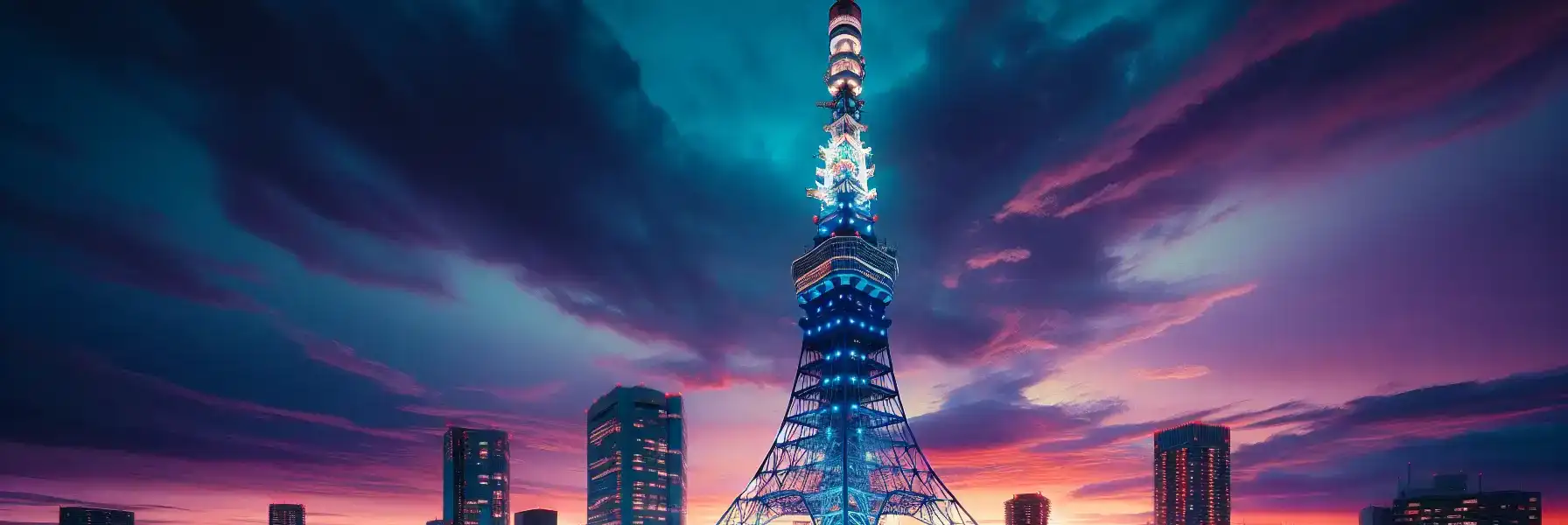
The tower's exterior wears a custom shade called Skytree White, derived from aijiro — a traditional Japanese indigo-tinged white that appears subtly different under varying light conditions. Against clear blue skies, the tower reads as pure white; at dusk and under overcast conditions, the aijiro undertone emerges as a faint blue-grey. This chromatic subtlety disappears after dark when programmable LED illumination takes over, cycling between the two signature schemes: Iki (chic, rendered in sky blue tones representing the spirit of Edo) and Miyabi (elegant, in purple tones representing the nobility of traditional Japanese aesthetics).
Highlights & Must-See
Tembo Deck: Floors 340, 345, and 350
The lower observation deck occupies three separate floors within the tower's bulging midsection. Floor 350, at 350 metres above ground, provides the main panoramic viewing gallery — a 360-degree circuit of floor-to-ceiling windows overlooking Tokyo Bay to the south, the Sumida River winding below, and on exceptionally clear winter mornings, Mount Fuji's snow-capped cone rising 100 kilometres to the southwest. Most visitors spend 30-45 minutes here, circling the deck as staff point out landmarks through multilingual audio guides.
Floor 345 hosts dining options: the Musashi Sky Restaurant on the eastern side serves contemporary Japanese cuisine with window seating, while the Skytree Cafe on the western circuit offers lighter fare and the tower's best sunset-facing tables. Reservations aren't strictly required for the cafe but help during peak evening hours.
Floor 340 contains the Glass Floor section — two reinforced panels set directly into the walking surface, allowing visitors to look straight down 340 metres to the streets of Oshiage. The glass can support several tonnes of weight, though first-time visitors often hesitate at the edge regardless. Photography here works best with the camera held flat against the glass to minimize reflections.
Tembo Galleria: The Air Walk to 451.2 Metres
Reaching the upper observation deck requires a separate elevator from Floor 350, ascending to Floor 445 where the Tembo Galleria begins. This isn't simply a higher viewing platform — it's an architectural experience. A gently sloping spiral corridor wraps around the tower's exterior, enclosed in tubular glass, rising gradually from 445 to 450 metres. The tube creates an almost submarine sensation: you're walking through the sky, suspended in a glass tunnel with Tokyo sprawling below and clouds occasionally drifting past at eye level.
At the top of this spiral sits Floor 451.2, marked as Sorakara Point — the highest accessible location in Japan and the culmination of any Skytree visit. A small overhead skylight provides views directly upward along the remaining 183 metres of antenna, and on clear days the distant horizon seems to curve slightly at the edges, a subtle reminder of planetary scale that even airplane windows rarely convey.
Tokyo Solamachi Shopping Complex
The tower's base isn't merely an entrance hall — it's a 312-shop retail and dining complex spread across multiple buildings at ground level. Solamachi means 'sky town,' and the complex functions as a full-service destination even for visitors who never ascend the tower. Fashion retailers, electronics shops, and souvenir stores fill the lower levels, while restaurants cluster on upper floors with partial tower views from outdoor terraces.
Sumida Aquarium
Located on Solamachi's 5th and 6th floors, this urban aquarium specializes in marine life from the waters around Tokyo Bay and the Ogasawara Islands. The centrepiece is a large open-top tank where rays and sharks drift past viewing windows, but the penguin and fur seal pool draws equal attention — visitors can observe from multiple angles as keepers conduct feeding demonstrations throughout the day. Unlike suburban aquariums, Sumida's compact design means you're never more than a few metres from glass, creating surprisingly intimate encounters with marine life in the shadow of the tower.
Konica Minolta Planetarium Tenku
On Solamachi's 7th floor, this planetarium operates multiple dome theatres showing both astronomical programs and immersive entertainment content. Reclining seats beneath the 18-metre dome make this a popular escape during rainy afternoons, particularly for families travelling with children who need a break from walking. Programs rotate seasonally, with nighttime projection shows proving especially popular during winter illumination season.
Postal Museum Japan
Tucked away on Solamachi's 9th floor, this small museum displays one of the world's largest stamp collections alongside historical postal artifacts spanning from the Meiji era to contemporary designs. International visitors often overlook it entirely, which means you'll likely have the galleries nearly to yourself. The collection includes stamps from virtually every nation and historical period, arranged thematically rather than chronologically, revealing how postal art reflects national identity and historical moments.
Kita-Jikkengawa Riverside Park
The Oshiage-side promenade along this narrow canal offers what many photographers consider the tower's best ground-level vantage point. At dusk, when the illumination cycle activates, the water reflects the tower's full height in a nearly perfect mirror image — an effect that's appeared in countless postcards and Instagram feeds. The park itself is unremarkable by day, but the 30 minutes surrounding sunset transform it into prime photography territory.
The Base Sculpture and Vertical Angles
Standing directly beneath the tower and looking straight up produces one of the most disorienting perspective shots in Tokyo. The three base legs frame the shaft as it converges toward a vanishing point 634 metres above, and the curvature from triangle to circle becomes viscerally apparent. Weekday mornings before crowds arrive offer the cleanest compositions; weekends typically bring tour groups positioned for identical shots.
Visit Strategy
Ticketing Options and Price Tiers
Tokyo Skytree operates a tiered pricing system that confuses first-time visitors. The basic distinction: Tembo Deck tickets grant access to Floors 340-350 only, while combination tickets add the Tembo Galleria at Floors 445-451.2. Beyond that, prices vary by day type (weekday versus weekend/holiday) and by purchase method (online advance versus walk-up).
For most visitors, the combination ticket makes sense — you're already travelling to eastern Tokyo, already paying for the Tembo Deck, and the additional ¥1,000-1,200 for the Galleria delivers the tower's most distinctive experience. The air walk spiral simply doesn't exist at the lower deck, and Floor 451.2 represents Japan's highest accessible point. Buying tickets online in advance through the official website (tokyo-skytree.jp) typically saves ¥200-400 over walk-up rates and guarantees a specific entry time slot, eliminating the risk of sold-out windows during peak periods.
Foreign passport holders can alternatively purchase Fast Skytree Tickets at a dedicated counter on the 4th floor. This premium option costs more than standard admission but allows priority boarding, bypassing general queues that can stretch to 90 minutes on busy weekends. Whether the premium justifies itself depends entirely on your schedule and tolerance for waiting.
Optimal Timing: The Crowd Equation
Three windows offer the shortest waits: early morning right at the 10:00 opening, mid-afternoon between 14:00-16:00 when morning visitors have departed and sunset chasers haven't yet arrived, and late evening after 20:00 when families with children begin heading home. The 30-minute windows before and after sunset consistently draw the heaviest traffic, particularly on weekends and during spring cherry blossom season when Mount Fuji visibility peaks.
For Mount Fuji photography specifically, arrival timing matters less than seasonal timing. December through February delivers the clearest winter air and highest probability of visible conditions; summer humidity and haze frequently obscure the mountain entirely even on technically cloudless days. Early morning visits between 10:00-11:00 during winter maximize the chance of catching Fuji-san before afternoon haze develops.
The Sunset Strategy
Watching sunset from the Tembo Galleria ranks among Tokyo's premium experiences, but requires planning. Arrive approximately 90 minutes before official sunset time, ascend immediately to Floor 450, and claim a western-facing position along the air walk. As daylight fades, Tokyo transitions from a concrete sprawl into a neon grid stretching to the horizon, and the tower's own illumination scheme activates at dusk, visible through the glass tube walls surrounding you. Staying through blue hour — the 20-30 minutes after sunset when the sky deepens to indigo — captures both golden hour warmth and the emergence of city lights in a single visit.
Duration Planning
Budget 90 minutes to 2 hours for a complete visit covering both observation decks, assuming moderate crowds. Add 30-45 minutes if you're photographing seriously, and another hour or more if you plan to explore Solamachi shopping, the aquarium, or the planetarium. Visitors treating Skytree as their entire eastern Tokyo destination often spend half a day; those combining it with Asakusa and Senso-ji typically allocate 2-3 hours for the tower itself.
Photography Rules and Practical Limits
Personal photography is unrestricted throughout both observation decks, including the Glass Floor sections. The practical limitations prove more relevant than formal rules: reflective glass makes flash photography counterproductive, low light after sunset demands high ISO settings or a steady hand, and the air walk's curved glass tube can create odd distortions if you're not careful with angles.
Tripods are technically restricted, but small tabletop tripods and phone stabilizers generally pass without comment. Selfie sticks longer than approximately 50 centimetres draw staff attention. Professional photography and commercial shoots require advance written permission from Tobu Tower Skytree Co.
Elevator Suspension and Weather
The tower rarely closes entirely, but elevator service to the Tembo Galleria suspends during high winds — a safety measure that's particularly relevant during typhoon season (August through October) and winter storms. The Tembo Deck at 350 metres operates under less restrictive wind limits, meaning you might reach the lower deck but find the upper levels closed. Check the official website or call ahead during questionable weather, and have Solamachi activities as backup options.
Best Time to Visit & Photographer's Guide
Month-by-Month Crowd & Weather
December through February: Peak visibility season. Cold, dry air produces the clearest conditions for Mount Fuji photography, and morning visits between 10:00-11:00 offer the best chance of catching the snow-capped peak before afternoon haze develops. Holiday crowds spike during Christmas week and New Year (when special illumination schemes draw additional visitors), but mid-January through February represents the sweet spot: excellent visibility, manageable crowds, and occasional snowfall that transforms Tokyo's skyline into something extraordinary from 450 metres above.
March through May: Cherry blossom season (typically late March to early April) brings the heaviest crowds of the year. The Sumida River banks below the tower line with sakura, creating pink ribbons visible from the observation decks, but ticket queues can exceed two hours without advance reservations. Late April through May offers mild temperatures and reasonable visibility without the bloom-season crush.
June through August: Rainy season (tsuyu) runs from early June to mid-July, bringing overcast skies and frequent precipitation that can obscure views entirely. Summer humidity persists through August, making Mount Fuji sightings rare regardless of cloud cover. The tradeoff: significantly shorter queues, particularly on weekday afternoons when heat keeps casual visitors at street level.
September through November: Typhoon season peaks in September and early October, occasionally closing the upper deck for wind. Late October through November delivers crisp autumn air and improving visibility as humidity drops, plus autumn foliage colours visible in distant mountain ranges. Crowds remain moderate compared to spring.
Best Time of Day
Sunrise: The tower doesn't open until 10:00, eliminating dawn photography from the observation decks. Ground-level shots from Kita-Jikkengawa Riverside Park at sunrise, however, capture the tower silhouetted against eastern light with virtually no crowds.
Golden Hour (1-2 hours before sunset): Warm light rakes across Tokyo's skyline from the west, casting long shadows from Shinjuku's towers and bathing the Sumida River in amber tones. This is prime time for panoramic city shots, though also the busiest period.
Blue Hour (30 minutes after sunset): The transition window when sky deepens to indigo while city lights reach full intensity. The tower's Iki or Miyabi illumination activates, and the combination of artificial and residual natural light creates the most dynamic photography conditions. From the Tembo Galleria, you're literally standing inside the illumination scheme as colours shift around you.
Night (after 20:00): Full darkness reveals Tokyo as a circuit board of light stretching to every horizon. Crowds thin after families depart, and the Tembo Galleria's spiral air walk takes on an almost otherworldly quality — a glass tube suspended in darkness above a glittering city.
Best Photo Spots
1. Tembo Galleria Floor 451.2 (Sorakara Point): Japan's highest accessible interior point. The overhead skylight allows vertical shots along the antenna, while surrounding glass panels frame the city in every direction. Arrive during blue hour for optimal lighting.
2. Tembo Deck Glass Floor (Floor 340): Press your camera flat against the reinforced panel and shoot straight down. The vertigo-inducing composition — 340 metres of empty air between lens and street — produces the tower's most visceral images.
3. Kita-Jikkengawa Riverside Park: The canal running alongside the tower's Oshiage face creates mirror reflections from dusk onward. Position yourself where the full tower height fits the frame with its reflected twin, and wait for the illumination cycle to activate.
4. Jikken Bridge: Crossing the Kita-Jikkengawa approximately 200 metres north of the tower base, this pedestrian bridge delivers unobstructed frontal angles without intervening trees or buildings. Sunset shots capture both tower and sky reflection in the canal below.
5. Sumida Park (Asakusa side): Walking east from Senso-ji, the park runs along the Sumida River's western bank with the Skytree rising across the water. This perspective places traditional Asakusa in the foreground with the futuristic tower behind — a visual metaphor for Tokyo's temporal layers that photographers have exploited since opening day.
6. Azumabashi Bridge: The red-railed bridge connecting Asakusa to Sumida frames the tower between the golden Asahi Beer Hall sculpture (the Philippe Starck-designed 'golden flame') and traditional riverside buildings. This juxtaposition of old, new, and deliberately weird encapsulates Tokyo's visual identity.
7. Tembo Deck Floor 350 — Northwest Corner: The clearest sightline toward Mount Fuji on visible days. Morning visits in winter maximize your chances; bring a telephoto lens or expect a distant white triangle rather than dramatic foreground-background compositions.
Drone & Tripod Rules
Drone flights within the Skytree complex and surrounding Sumida ward airspace are prohibited without explicit permits from both Tobu Railway and Japanese aviation authorities — permits that are effectively impossible for tourists to obtain. The tower falls within restricted airspace extending from Haneda Airport's flight paths, adding regulatory complexity beyond standard no-fly zones.
Full-size tripods are prohibited inside both observation decks. Tabletop tripods, gorillapods, and phone stabilizers generally pass unnoticed. Monopods fall into a grey area; staff discretion applies. Night photography benefits significantly from any stabilization, making a compact tabletop tripod worth carrying.
Hidden Sub-Spots Most Tourists Miss
Solamachi Rooftop Garden: The shopping complex's upper-level outdoor terrace offers close-range tower views from approximately 30 metres above street level — a perspective that's neither ground-level nor observation-deck, revealing structural details invisible from other angles.
Narihira Bridge: South of the tower beyond the main Solamachi complex, this small pedestrian bridge crosses the Kitajikkengawa with minimal foot traffic and clean tower angles. Late afternoon light from this direction backlights the structure dramatically.
Tobu Skytree Line Platform: Yes, the train platform directly below the tower. After ascending and descending, riding one stop toward Asakusa and looking back through the train windows reveals the tower's proportions against passing urban fabric in a way that static observation points can't replicate.
Oshiage Station Exit B3: Emerging from this specific exit at dusk places you at street level with the tower base overhead and illumination cycling through your peripheral vision. The disorientation of human-scale surroundings yielding to 634 metres of vertical structure creates a momentary sense of architectural vertigo that photographs can't fully capture.
Nearby Attractions & Logistics
Asakusa and Senso-ji Temple
The 20-minute walk from Skytree to Senso-ji follows the Sumida River's eastern bank before crossing via Azumabashi Bridge — a route that offers continuous tower views receding into the skyline behind you. Senso-ji itself, founded in 628 CE, anchors Tokyo's oldest temple district. Enter through the Kaminarimon gate with its 700-kilogram red lantern, browse the 90 traditional stalls along Nakamise-dori shopping street, and reach the main hall dedicated to Kannon, the goddess of mercy. Most visitors pair Senso-ji with Skytree in either direction, spending morning at one and afternoon at the other.
Sumida Hokusai Museum
Roughly 15 minutes' walk south of the tower, this museum dedicated to ukiyo-e master Katsushika Hokusai occupies a striking building designed by architect Kazuyo Sejima and opened in 2016. Hokusai was born in Sumida ward in 1760, making this the natural home for permanent displays tracing his 70-year career from early actor prints through 'Thirty-six Views of Mount Fuji,' including 'The Great Wave off Kanagawa.' The museum's angular aluminum facade photographs well with the Skytree rising in the background.
Mukojima District
North of Skytree lies this quieter neighbourhood of traditional ryotei restaurants and small gardens. The Mukojima Hyakkaen Garden, dating to the early 19th century, offers seasonal flowers in a compact space designed for strolling rather than extensive hiking. Chingodo shrine nearby provides a pocket of old Tokyo atmosphere largely missed by tourists focused on the tower.
Transit Connections
Tokyo Skytree Station on the Tobu Skytree Line sits directly beneath the tower, one stop from Asakusa Station. For Metro connections, Oshiage Station serves the Hanzomon Line (to Shibuya and beyond), the Toei Asakusa Line (to Nihombashi and Shinagawa), and the Keisei Oshiage Line linking to Narita Airport via the Skyliner and Access Express services. Arriving from Narita, the Keisei Access Express takes approximately 50 minutes to Oshiage without requiring a transfer — a convenient routing for visitors heading directly to eastern Tokyo.
Suggested Itinerary
Start in Asakusa at Senso-ji by 09:00, before tour groups arrive. Walk along the Sumida River promenade to Skytree, arriving around 10:30 as morning queues thin from the 10:00 opening rush. Ascend both decks, have lunch at Solamachi around 12:30, then walk south to the Sumida Hokusai Museum for early afternoon. Return to the Kita-Jikkengawa Riverside Park by 17:00-17:30 (adjust seasonally) to photograph the tower's illumination activation from ground level. The full circuit covers roughly 5 kilometres of walking and 6-7 hours including museum time.
Why Data Matters at Tokyo Skytree
Connectivity shapes every practical aspect of a Skytree visit. The official Tokyo Skytree app provides real-time queue estimates, deck availability updates during weather-related closures, and navigation through the sprawling Solamachi complex where 300+ shops and restaurants scatter across multiple buildings and floors. Google Maps or Apple Maps prove essential for the 20-minute walk to Asakusa, particularly for first-time visitors navigating the Sumida River bridges. Translation apps handle restaurant menus and shop signage throughout Solamachi, where English labelling remains inconsistent.
From the observation decks, connectivity enables the experiences most visitors are actually there for: sharing panoramic shots of Mount Fuji before descending, coordinating timing with travel companions splitting between the aquarium and tower, and researching the landmarks visible from 450 metres ('Is that really Tokyo Dome?'). The Tembo Galleria's altitude doesn't affect signal strength — KDDI's network reaches the upper deck without issue.
Picking up an eSIMno plan before landing at Narita or Haneda means you're connected the moment you emerge from the Oshiage Station exit beneath the tower's shadow, without hunting for activation counters or deciphering Japanese carrier store signage. One less logistical hurdle between arrival and actually experiencing the world's tallest tower.
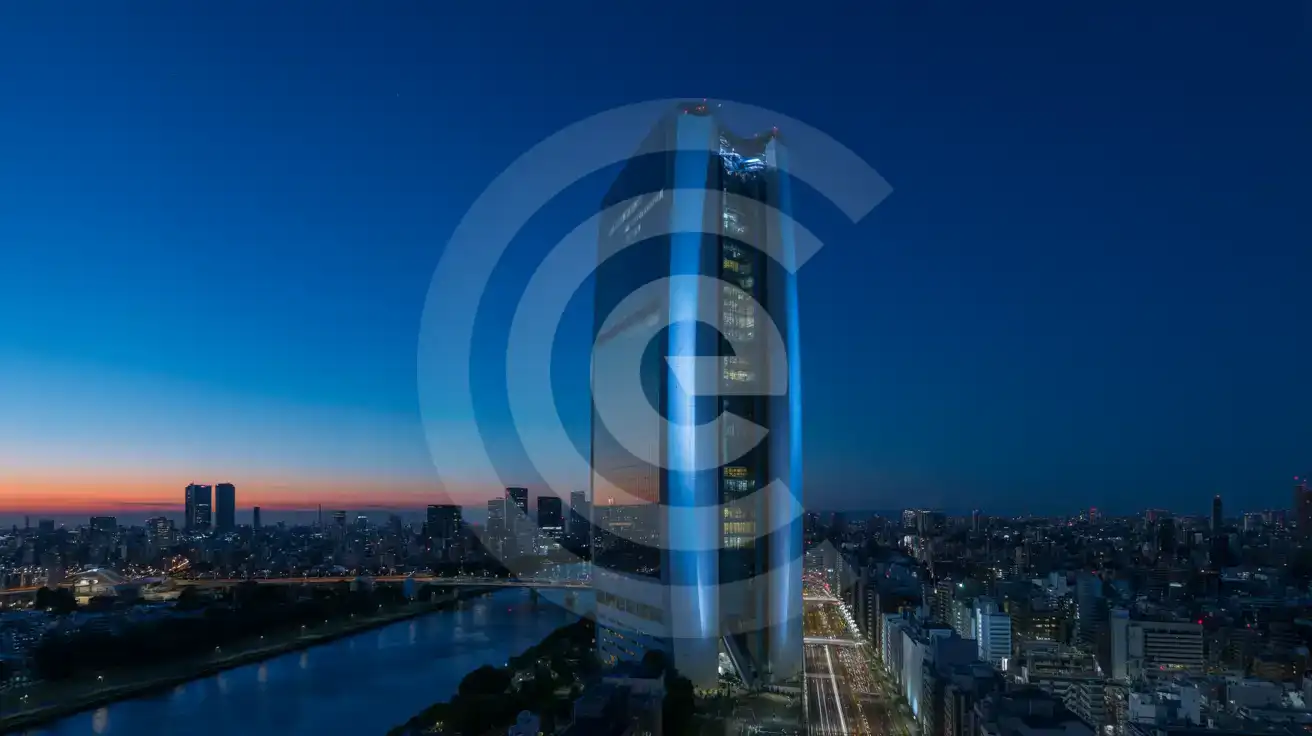
Tokyo Skytree at Blue Hour
Compare WiFi Options at Tokyo Skytree
 Recommended Recommended | Local SIM / Operator | Roaming | |
|---|---|---|---|
| FEATURES | |||
| Setup time | Few minutes | Store visit + paperwork | Auto |
| No local ID needed | Online checkout | Local ID required | Use home account |
| Speed | 4G/5G | Carrier-grade | Partner-dependent |
| Travel support | English support 24/7 | {0} only | Home carrier hours |
| Keep home number | Dual SIM | Replaces it | Same number |
| Cost predictability | Fixed price | Bills can spike | Bill-shock risk |
| PRICING | |||
Typical pricing | See plans below | — | — |
PRICING — PICK YOUR ESIMNO PLAN
Destination overview
Frequently Asked Questions
Yes, personal backpacks and bags are permitted on both the Tembo Deck and Tembo Galleria. There are no bag size restrictions or mandatory locker storage. However, large suitcases and bulky luggage may draw staff attention — coin lockers in the Solamachi complex and at Oshiage Station provide storage if you're arriving directly from the airport.
Personal photography is unrestricted throughout both observation decks, including the Glass Floor panels on Floor 340. Flash photography and tripods are discouraged (flash creates glare, tripods obstruct walkways), but you're free to photograph straight down through the glass. Staff may ask you to keep moving during crowded periods rather than occupying the glass panels for extended shoots.
Ticket counters accept cash (Japanese yen), major credit cards (Visa, Mastercard, JCB, American Express), and IC cards (Suica, Pasmo). Online advance tickets through the official website require credit card payment. Shops and restaurants within Solamachi vary — most accept cards and IC cards, but some smaller vendors remain cash-only.
Only if you purchase a combination ticket covering both the Tembo Deck (Floors 340-350) and Tembo Galleria (Floors 445-451.2). The Tembo Deck-only ticket restricts access to the lower deck; upgrading to the Galleria requires purchasing a separate ticket from Floor 350, often with additional wait time. Buying the combination ticket in advance online saves both money and queuing.
Elevator service to the upper deck suspends during high winds for safety reasons, but the lower Tembo Deck typically remains operational under the same conditions. If you've purchased a combination ticket and the Galleria closes during your visit, refund policies vary — check with staff at the ticket counter. Typhoon season (August-October) and winter storms carry the highest closure risk.
No formal dress code applies. The observation decks are climate-controlled, though the upper Tembo Galleria can feel slightly cooler than ground level, and the air walk's glass tube construction means direct sunlight can create warmth during summer afternoons. Comfortable walking shoes help for the extensive walking surfaces across both decks and the Solamachi complex below.
The most direct route uses the Keisei Access Express from Narita Airport to Oshiage Station, approximately 50 minutes without transfers. Oshiage Station connects directly to the Skytree and Solamachi complex. Having an eSIMno plan activated before landing means you can check train schedules and navigate the station immediately upon arrival rather than hunting for airport WiFi.
December through February offers the highest probability of clear conditions, with morning visits between 10:00-11:00 maximizing visibility before afternoon haze develops. Mount Fuji lies approximately 100 kilometres southwest, visible from the Tembo Deck's northwest corner and the Tembo Galleria on clear days. Summer humidity frequently obscures the mountain regardless of cloud cover.
Featured eSIM plans
Japan Mobile

Japan Mobile
Japan Mobile
Japan Mobile
Japan Mobile
Japan Mobile