

Quick Facts
- Best for short city breaks
- Hotel and café WiFi can work if you stay mostly in Vienna or Salzburg city centers
- Best for multi-stop trips
- eSIM or local mobile data, especially for trains, alpine towns, and day trips
- Typical free WiFi spots
- Airports, major train stations, hotels, cafés, some museums and shopping centers
- Public WiFi quality
- Usually fine for messaging and maps, less dependable at peak times or outside major hubs
- Typical cost
- Free WiFi: often free with venue access; eSIM/mobile data: usually better value for active travel days
- eSIMno Networks
- A1, H3G, T-Mobile
WiFi vs Mobile Data in Austria
Austria gives you a bit of both worlds. In central Vienna, Salzburg Altstadt, or around Innsbruck’s old town, free WiFi is common enough that you can get by for light use. Hotels usually offer it, cafés often do too, and larger stations are handy for a quick connection. The catch is consistency. A login page may take time to load, speeds can dip in busy hours, and the moment you leave the city core, the experience gets less predictable.
Mobile data is the better fit if your trip includes ÖBB train journeys, ski areas, lake regions, or smaller places like Hallstatt where everyone seems to stop for the same photo at once. We’ve also noticed that thick old buildings in historic centers can make indoor WiFi feel slower than expected, even when the hotel says it has coverage everywhere. If you want maps, ride-hailing alternatives, translation, and ticket access without hunting for a password, mobile data is usually the calmer option.
For most travelers, the real decision is simple: use WiFi as a bonus, not as your only plan. If that sounds like your style, explore eSIMno plans for Austria before you go.
How to Connect
- At Vienna International Airport
After landing at Vienna International Airport, connect to airport WiFi only for the basics: message home, check passport control timing, or pull up your Railjet ticket into the city. If you need live maps, rides, or a backup in case the airport network feels crowded, switch to mobile data before boarding the train to Wien Hauptbahnhof. - In the Naschmarkt and central Vienna rush
Around Naschmarkt, Stephansplatz, or the U1 and U4 interchange zones, café WiFi can be hit or miss because you’re moving constantly. This is the moment mobile data wins. It keeps maps stable while you hop between stalls, metro exits, and side streets where old stone buildings can make weak indoor WiFi more annoying than useful. - On a lake transfer or ferry connection
If your route includes Hallstatt by ferry across Hallstätter See or a transfer around Wolfgangsee, don’t count on public WiFi at the exact moment you need it. Timetables, weather checks, and platform changes are easier on mobile data, especially when you’re juggling train-to-boat connections with luggage. - At hotel check-in in Salzburg or Innsbruck
Use hotel WiFi once you’re settled, especially for photo backups or streaming in the evening. But test it before relying on it. In older buildings near Salzburg Altstadt or Innsbruck’s historic center, room-by-room signal can vary more than the front desk suggests. Keep mobile data active for navigation and bookings until you know the hotel connection is solid.
Tips for Staying Online Without Overpaying
- Download ÖBB train tickets and offline maps before leaving your hotel, even if you expect station WiFi later.
- If you’re heading into alpine areas, check weather and route info before the cable car or bus ride. Coverage is usually good on main routes, but mountain terrain can still create dead spots.
- Ask hotels if WiFi reaches upper floors or annex buildings. In Austria, charming old guesthouses sometimes have the weakest signal in the nicest rooms.
- Use free WiFi for heavy uploads at night, and save mobile data for moving around, ticket checks, and real-time navigation.
- If your trip includes Germany, Italy, Hungary, Slovakia, or Czechia next, make sure your data setup matches your border-crossing plans.
Typical Costs and What You’re Really Paying For
Free WiFi in Austria is genuinely common, but it comes with trade-offs: time, friction, and unpredictability. You may need to ask for a code, accept a portal page, or reconnect every time you move venues. That’s fine if you’re lingering over melange and cake in Vienna. It’s less fine when your Salzburg train platform changes with ten minutes to spare.
Paid local SIM options can make sense for longer stays, but they take more effort than many travelers want after arrival. You’ll spend time finding a shop, comparing allowances, and setting everything up. An eSIM usually costs more than free WiFi, obviously, but what you’re buying is convenience and continuity. No queue, no SIM tray, no waiting until the city center to get online.
For a short trip, many travelers find the sweet spot is simple: use venue WiFi for big downloads and let mobile data handle the moments that matter. If you want that sorted before departure, eSIMno is an easy place to start.
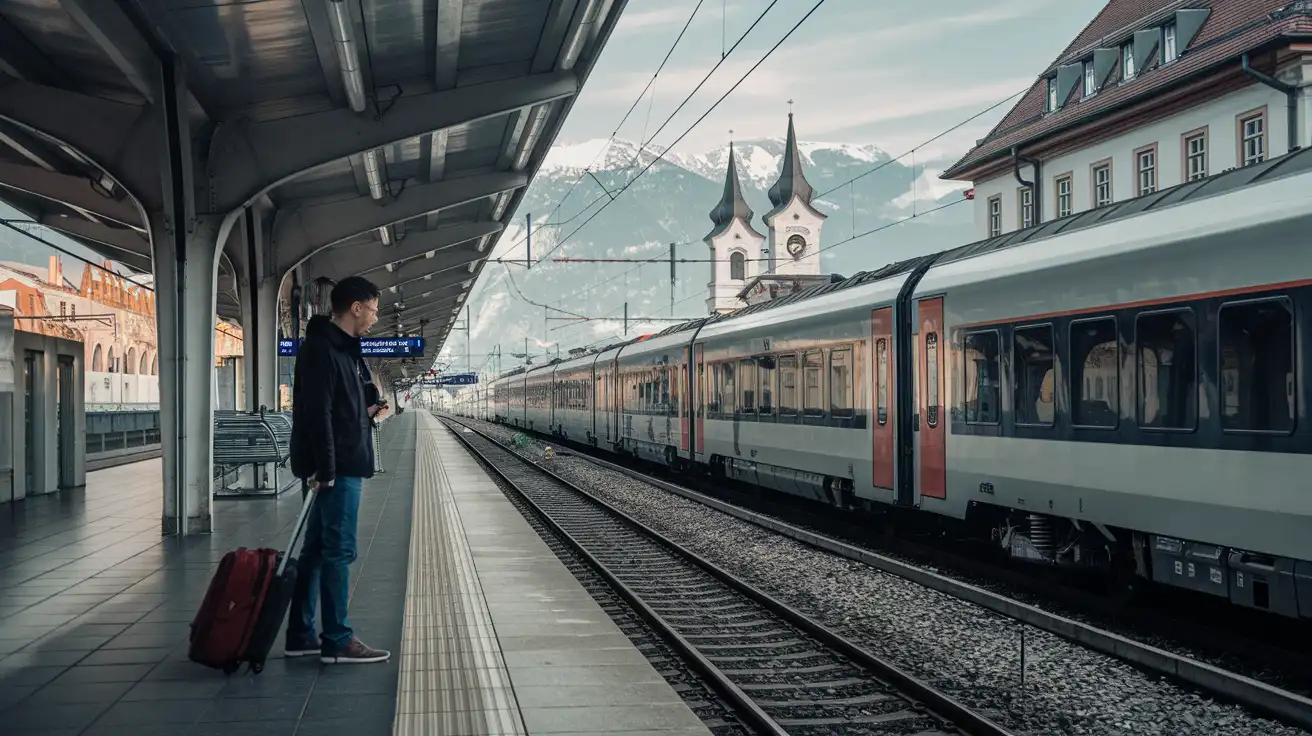
Austria Connectivity on the Move
Compare Connectivity Options for Austria
 Recommended Recommended | Local SIM / Operator | Roaming | |
|---|---|---|---|
| FEATURES | |||
| Setup time | Few minutes | Store visit + paperwork | Auto |
| No local ID needed | Online checkout | Local ID required | Use home account |
| Speed | 4G/LTE; 5G in some areas | Carrier-grade | Partner-dependent |
| Travel support | English support 24/7 | Operator shops and call centre | Home carrier hours |
| Keep home number | Dual SIM | Replaces it | Same number |
| Cost predictability | Fixed price | Bills can spike | Bill-shock risk |
| PRICING | |||
Typical pricing | See plans below | — | — |
PRICING — PICK YOUR ESIMNO PLAN
Destination overview
Frequently Asked Questions
Featured eSIM plans
Austria Net

Austria Net
Austria Net
Austria Net
Austria Net
Austria Net
Austria Net
Austria Net